
 01
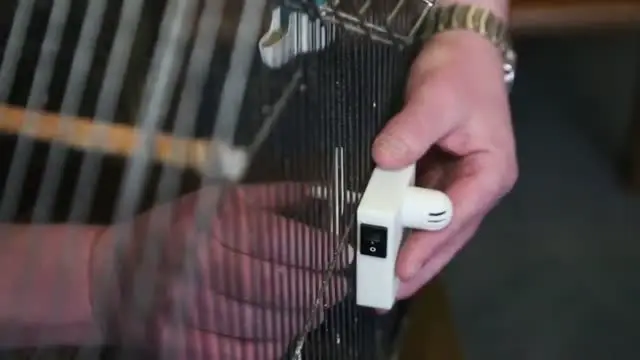
Mount.
The cage-mounted design houses a motor-turned grit rod inside a fixed perch. The working bird prototype brings that mechanism into view.

FOR PET-PRODUCT BRANDS · PATENT FOR SALE
Acquire U.S. Patent 9,894,977 outright. Arrange an inspection of the working bird prototype and assess the fit for your product line. Patent for sale, not a retail product.
No asking price. Make an offer. No obligation.
The Product Opportunity
Recurring nail care gives pet brands a clear product problem to address. This patent puts a powered filing mechanism inside a familiar cage accessory.

01 Recurring
Monthlyhow often some owners trim
Some owners get their bird's nails trimmed about once a month, making nail care a regular part of life with a bird.

02 Trim costs
$40–$70+per avian-vet nail trim, owner-reported
Owner-reported avian-vet nail trims run roughly $40 to $70+. Chewy lists parakeet exams at $75 to $150, a separate service.

03 Restraint
A toweland someone holding the bird
Clipping means someone holds the bird while working on each nail. The perch design takes a different approach.

04 The quick
“May bleed profusely”VCA’s vets, on a cut quick
The quick makes nail clipping more than a cosmetic task. VCA warns that a cut quick “may bleed profusely.”
Source: VCA Animal Hospitals
Bird-care figures are context, not a sales forecast; reported trim prices are not an average.
The Answer · A Powered Perch
Claim 6 puts a motor-turned grit rod inside a fixed perch with a smooth, closed top. Nail tips reach the rod through an underside slot. Design intent only; filing results were not measured.
01The cage-mounted design houses a motor-turned grit rod inside a fixed perch. The working bird prototype brings that mechanism into view.
 02
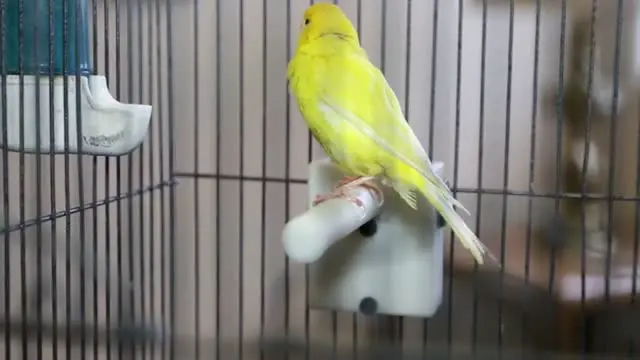
The bird stands on a smooth, closed top. The footage shows a canary doing this.
Per claim 6, nail tips reach the motor-turned grit rod through a slot underneath.
A canary stands on the working bird prototype. Filing results were not measured. No narration.
See a working bird prototype, not just a patent drawing. The footage shows a canary on the perch; claim 6 describes the internal grit rod and underside slot.
Working Prototype on Film
See the working bird perch on film, then discuss the acquisition.
Original prototype film with historical, untested narration. Filing results and safety have not been validated; the film’s call to order is not a current offer. This site offers the patent for sale.
Watch the full original film, with narration. Open the Original Film
Picture It in Your Product Line. Discuss the patent and the path to ownership.
Request a CallOwn a Different Mechanism
Claim 6 puts a motor-driven file inside a fixed cage perch. For your product team, the distinction is the mechanism: powered filing beneath a smooth top.
| Nail-Care Format | How It Works | The Difference | The Patented Design |
|---|---|---|---|
| Sand, Cement & Trimming Perches ($18–$33 at brand sites) | A passive trimming-perch format | A passive surface, rather than a motor-driven filing mechanism | Internal powered grit rod beneath a smooth, closed perch top |
| Clippers + Styptic Powder | Someone clips each nail | A cut quick “may bleed profusely,” according to VCA | An internal grit rod instead of a clipper blade |
| Powered Handheld Grinders | A person holds a spinning grinder to each nail | A handheld tool, rather than a cage-mounted perch | Hands-free filing during perching, per claim 6 |
| Dog Scratch Boards | The dog is trained to scratch a board | Training and owner-run sessions | Claim 1: a powered pet platform; no dog/cat prototype exists |
| Vet or Groomer Trims | A professional trims | Separate services: parakeet exams $75–$150 (Chewy); owner-reported trims $40–$70+ | A perch-based design for routine nail filing |
Design intent only; filing results were not measured.
Exclusive U.S. Rights. Sold Once.
Acquire the right to exclude others from practicing the issued claims in the United States, with adjusted expiration April 15, 2035.
Subject to the 2029 maintenance fee; verify status and claim scope at the USPTO with counsel.
A head start on invention and prosecution: issued claims, drawings and a working bird prototype on film, not a blank page.
Claim 6: bird perch. Claim 1: dog/cat platform; no dog/cat prototype exists.
For bird and cage brands, pet-product manufacturers, private-label teams and strategic patent buyers.
*October 2026 search, not exhaustive.
The patent
Nine issued claims. Paid maintenance fees. One outright acquisition.
Your counsel can inspect the claims, drawings, file history and fee records. No assignments are recorded at the USPTO Assignment Center; verify title as part of diligence.
Inventor and owner of record: Bill Willix · Working prototype on film
Summarized from public records. Verify current status at the USPTO.
US 9,894,977 B2
“Pet nail filing device”
Issued · 4th- and 8th-Year Fees Paid
Start with the public patent record. The patent PDF and claims are available without submitting an inquiry.
Patent 9,894,977 · Application 14/590,079Two Designs to Build On
Own both designs in one acquisition: the cage-mounted bird perch and the free-standing pet platform, across nine issued claims.
Claim 1 · Free-standing platform
Claim 1 describes a free-standing platform with motor-driven grit rods beneath cutouts in the top. Nail tips reach the rods through those cutouts, giving your team a second development direction under the same patent. No dog/cat prototype exists; counsel should confirm exact claim scope.
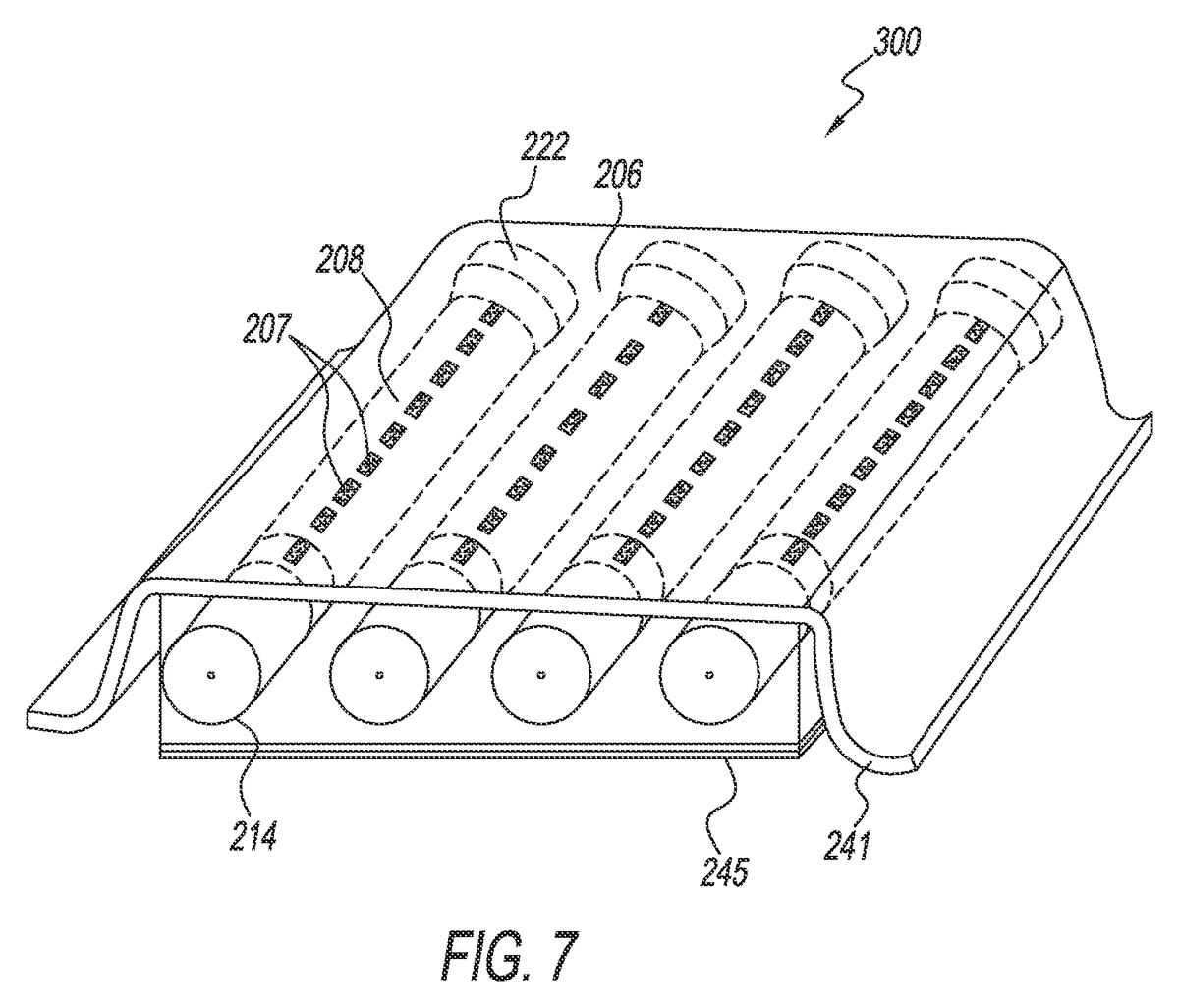
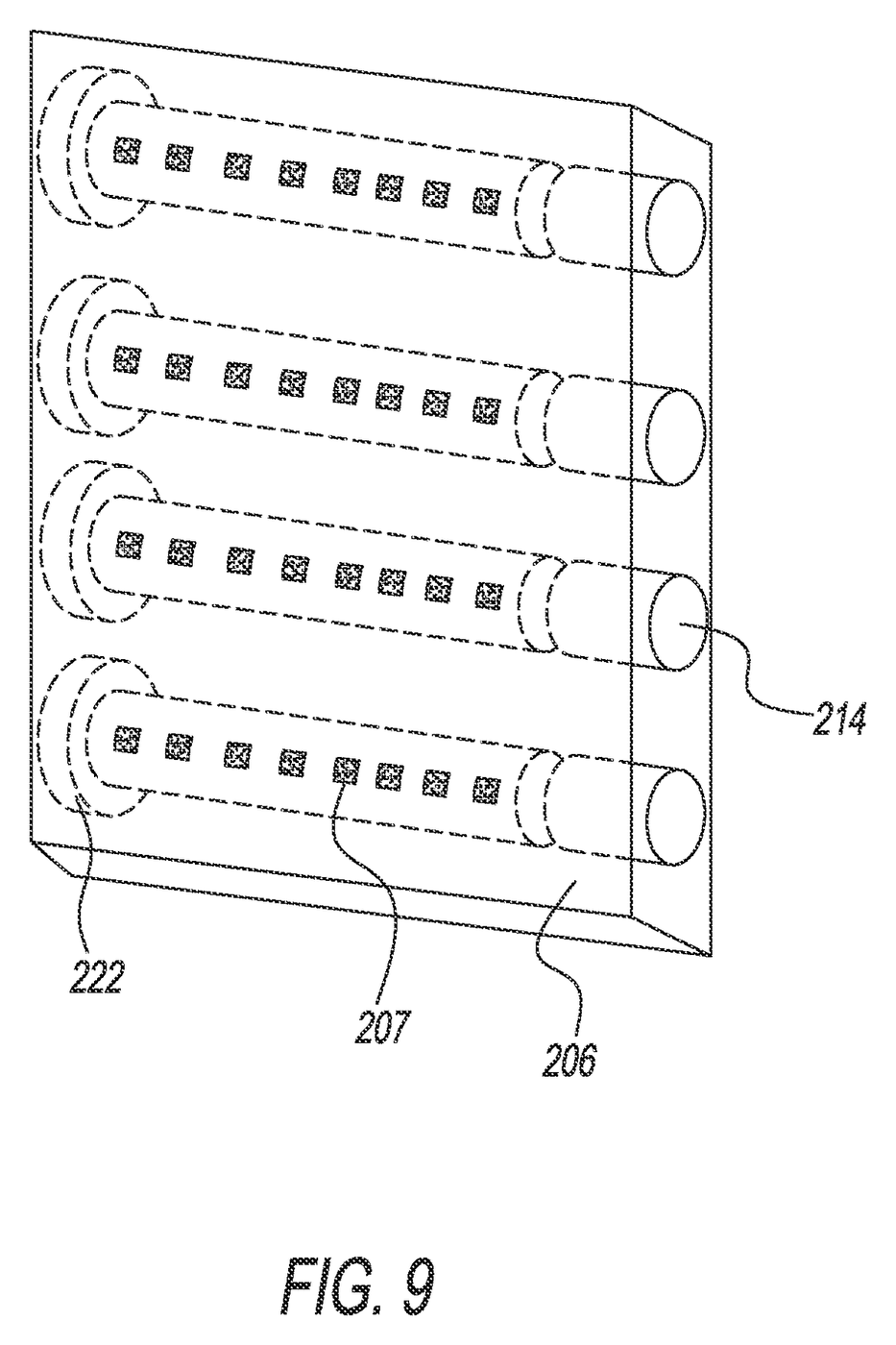
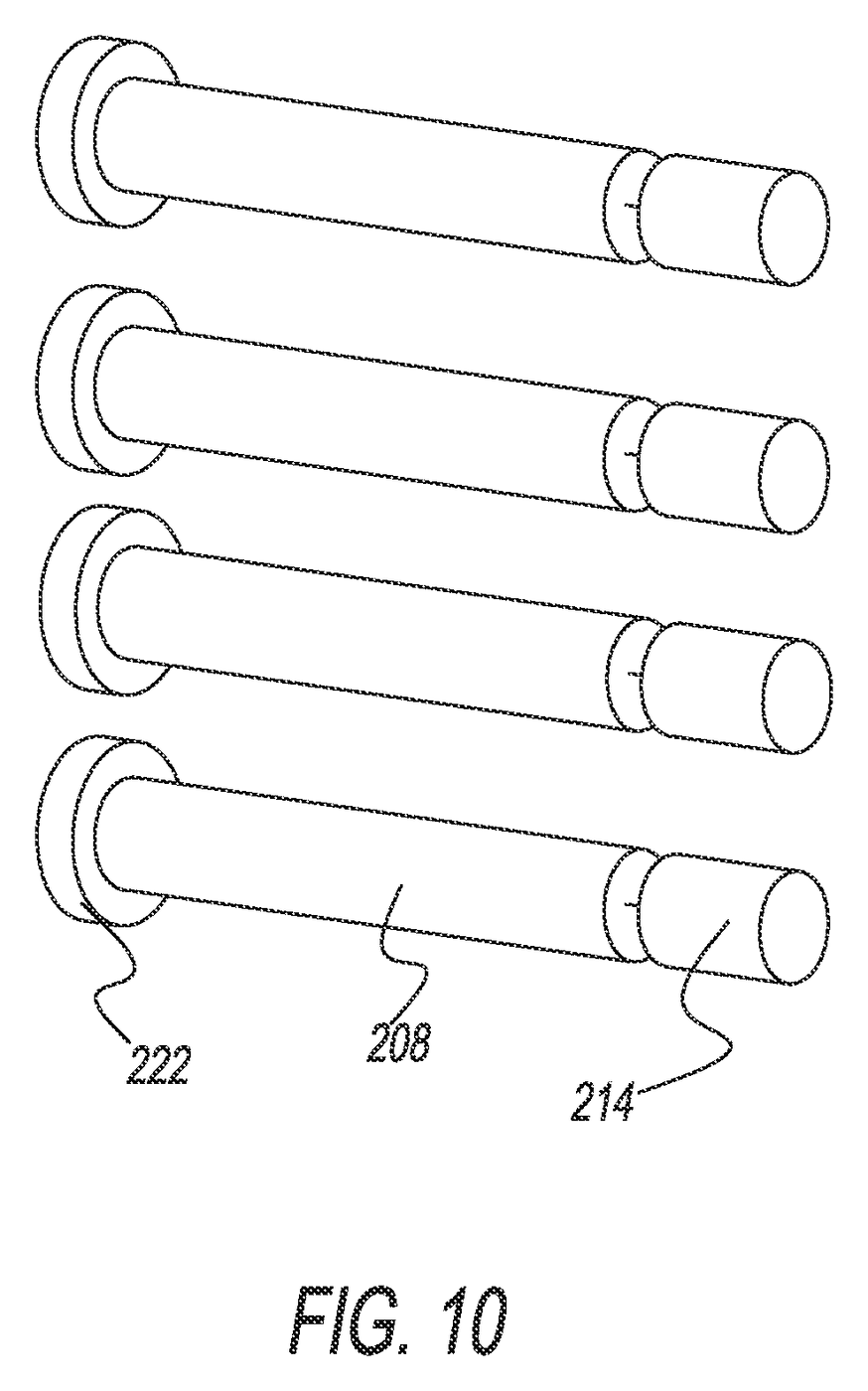
Patent drawing, FIG. 7: perspective view of the free-standing device described in claim 1. FIG. 9 shows the top view. FIG. 10 shows the rods and motor with the casing removed. From US 9,894,977 B2.
Claim 6 · Cage-mounted perch
Claim 6 describes a cage-mounted perch: a smooth, closed top above a motor-turned grit rod, reached through an underside slot.
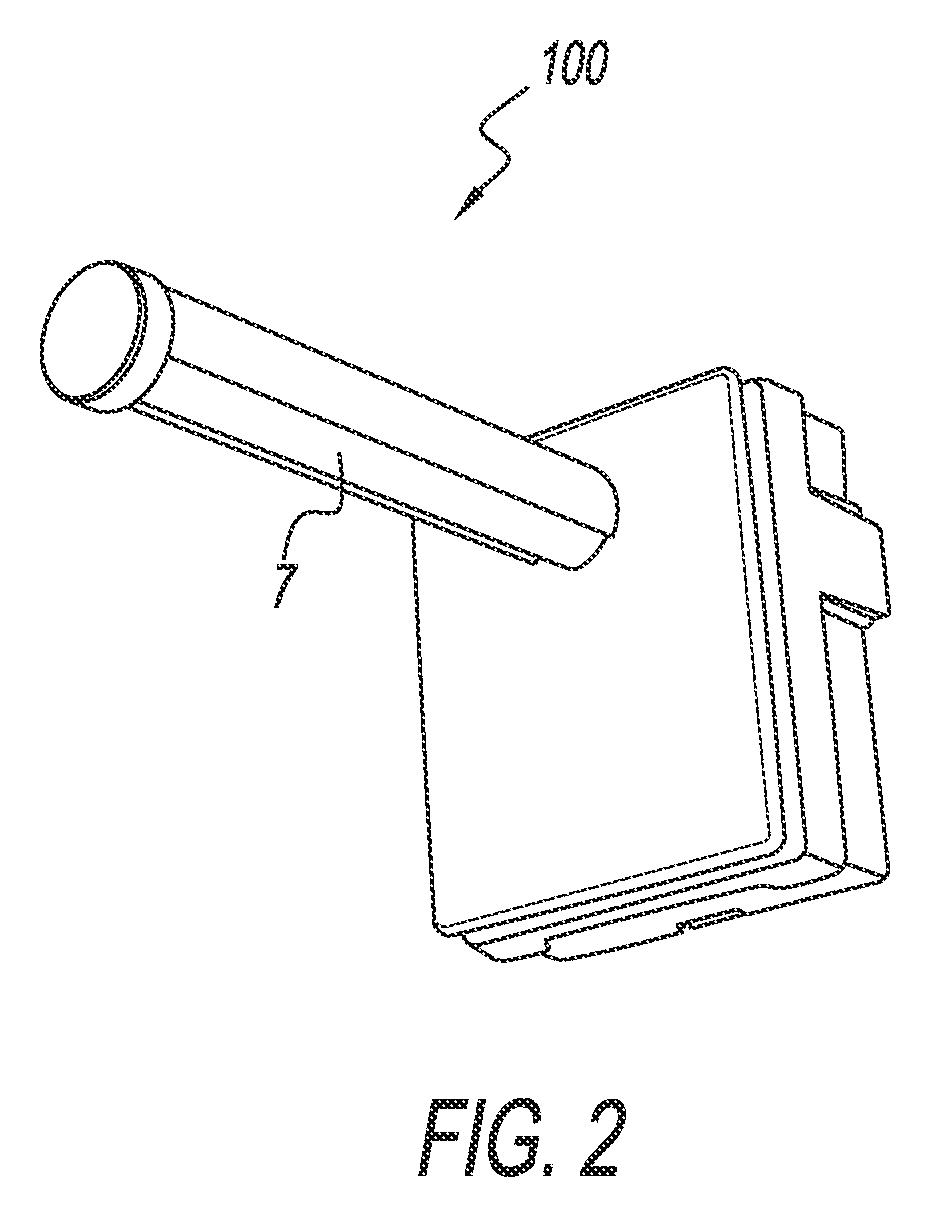
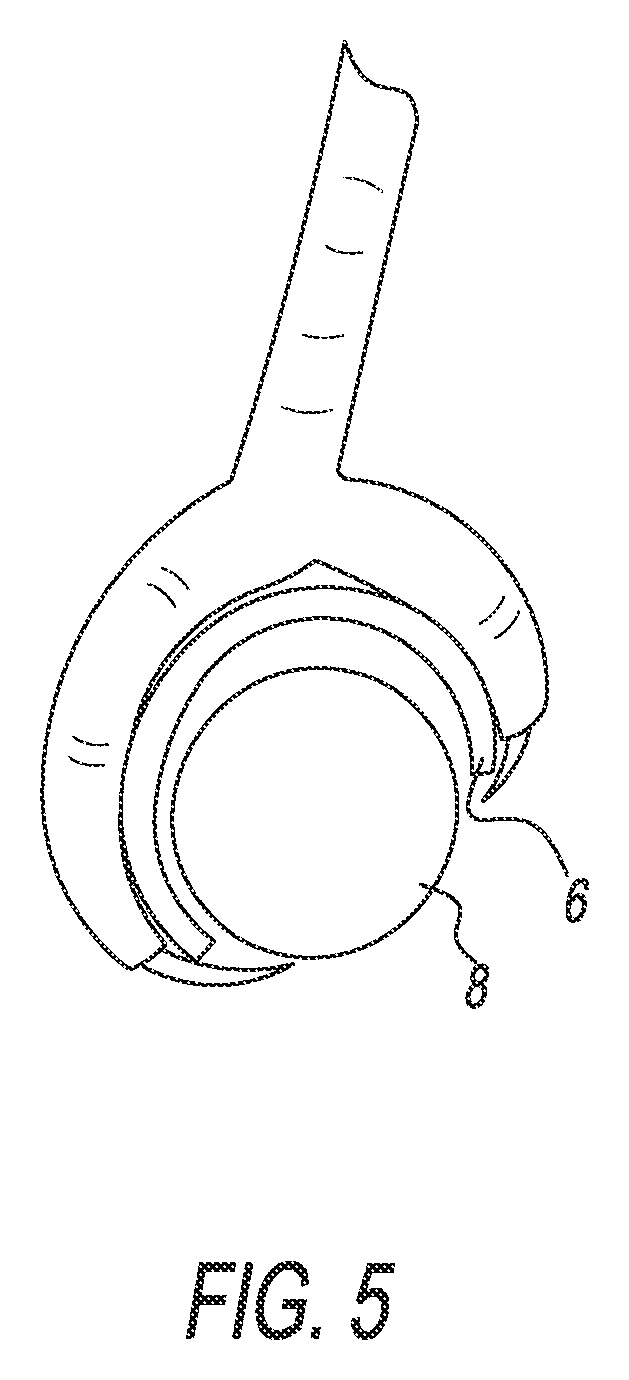
Patent drawings, FIG. 2: the assembled cage perch. FIG. 5: cross-section of the perch with a bird standing on it. From US 9,894,977 B2.
Choose Your Product Direction. Own Both Designs. Start with a call about your product plans and the acquisition. Prototype and footage access can be discussed.
Request a CallThe deal
Start with product fit, then move into diligence and your offer. The path is straightforward: a call, a diligence packet, agreed purchase terms and a recorded assignment.
Request a CallDiscuss your product line, the patent’s fit and the path to outright ownership.
Receive the diligence packet for review with counsel. Arrange inspection of the working bird prototype with our team before making an offer.
Propose a purchase price and payment terms for the outright sale.
Buyer and seller sign a purchase agreement setting out the sale terms.
Record the signed patent assignment at the USPTO.
Included: U.S. Patent 9,894,977, by outright sale and assignment.
Prototype Inspection and Transfer: prototype inspection for prospective buyers, with timing and access arranged directly with our team. Transfer of the working bird prototype can be included in the negotiated acquisition by agreement. Footage rights and inventor consultation are also subject to agreement.
Not Included: finished product, inventory, manufacturing, the NailPerch.com domain and this website.
Price: no asking price. Make an offer for an outright purchase. Payment can be cash, milestones or both.
Patent owner, inventor and seller
Sole named inventor and owner of record of U.S. Patent 9,894,977 (listed on the patent as Bill Willix), and the person selling it.
Prototype builder
Built the working prototype shown on film.
You acquire U.S. Patent 9,894,977 B2 by outright sale and assignment from William “Bill” Willix, its sole named inventor and owner of record. The sale excludes finished product, inventory, manufacturing, the domain and website. Transfer of the working bird prototype can be included in the negotiated acquisition by agreement; footage rights are also subject to agreement. No assignments are recorded at the USPTO; counsel should verify title.
No asking price: you make the offer. Propose cash, milestones or both for the outright acquisition, with payment terms agreed in the purchase agreement.
Yes: all nine claims transfer to one buyer through outright sale and assignment. Develop either design or both; once you own the patent, you may license a field yourself.
Adjusted expiration is April 15, 2035, subject to the 2029 maintenance fee; verify current status at the USPTO. The fee window runs February 20 to August 20, 2029, with surcharge until February 20, 2030. Maintenance fees were paid August 9, 2021 and August 20, 2025.
A working bird prototype is shown on film with a canary. Prospective buyers can arrange to inspect the working bird prototype before making an offer. Contact our team to agree timing and access. Transfer of the working bird prototype can be included in the negotiated acquisition by agreement; footage rights are also subject to agreement. No dog/cat prototype exists; product development and testing remain for the buyer.
Product engineering and testing remain part of your development plan. The prototype footage shows the design, not measured filing results or validated safety and efficacy. Historical claims in the original film narration are untested; the buyer must establish product performance and follow appropriate veterinary guidance.
Exclusive U.S. rights within the issued claims: the right to exclude others from making, using, offering to sell, selling or importing the claimed invention in the United States. No foreign patents exist; the PCT lapsed, and ownership is not itself freedom to operate.
We start with your product line and acquisition goals; keep your opening message non-confidential. Next comes the diligence packet. You can also arrange to inspect the working bird prototype before making an offer; contact our team to agree timing and access. Your counsel should review claim scope, validity, title and freedom to operate before you agree purchase terms.
Four required fields. A manual call about the patent. No obligation.
We couldn’t send your request. Please check the required fields or email patent@nailperch.com.
We reply within 1 business day. Bring your product-fit and acquisition questions; the issued patent and public records are linked above for your team.
Need to change something? Email patent@nailperch.com
Make It Your Next Move
Tell us where a powered perch or pet platform fits your business. We reply within 1 business day to discuss the acquisition and the next steps toward ownership.
Prefer email?

